

Electricity powers nearly every aspect of modern life. From illuminating homes and operating industries to enabling electric vehicles, renewable energy systems, and smart cities, the world depends on efficient and reliable electrical infrastructure. As nations invest in sustainable energy and intelligent technologies, the need for skilled engineers capable of designing, managing, and innovating these systems has never been greater.
This is where Electrical & Electronics Engineering (EEE) makes a lasting impact.
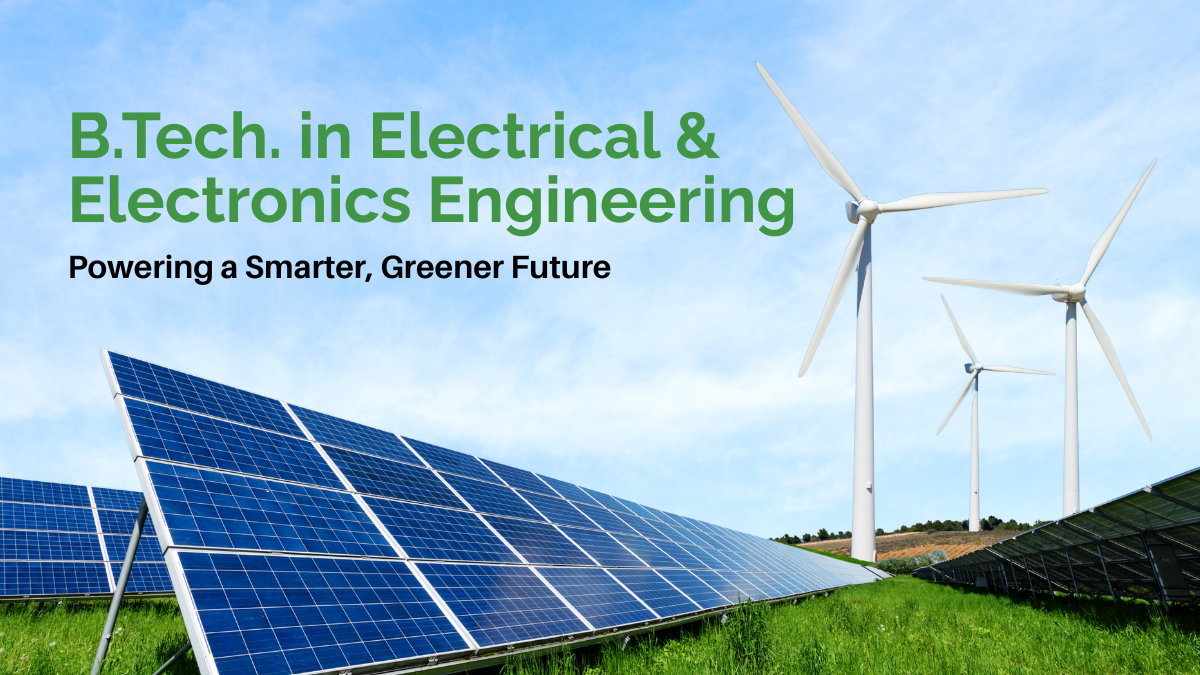
A B.Tech in Electrical & Electronics Engineering equips students with the expertise to develop advanced electrical systems, optimise energy solutions, and contribute to innovations that improve industries and communities alike. Combining the principles of electrical engineering with modern electronics, this programme prepares graduates for careers at the forefront of power generation, automation, renewable energy, and industrial technology.
At Krupanidhi Group of Institutions , students are encouraged to look beyond textbooks and understand how engineering can solve real-world challenges. Through practical learning, industry exposure, and a future-focused curriculum, they develop the skills needed to thrive in an evolving engineering landscape.
What is B.Tech in Electrical & Electronics Engineering?
B.Tech in Electrical & Electronics Engineering is a four-year undergraduate programme that focuses on the generation, transmission, distribution, and efficient utilisation of electrical power while integrating modern electronic technologies into industrial and commercial applications.
Students build a strong foundation in electrical circuits, power systems, electrical machines, control systems, electronics, power electronics, instrumentation, digital systems, and microcontrollers. As the programme progresses, they explore advanced topics such as renewable energy technologies, electric vehicles, smart grids, industrial automation, robotics, programmable logic controllers (PLCs), and energy management systems.
The programme balances theoretical concepts with practical application through laboratory work, industrial training, engineering projects, and internships. Students learn how to analyse complex engineering problems, design efficient electrical systems, and implement innovative solutions that improve reliability, sustainability, and performance.
As industries increasingly embrace automation and clean energy technologies, Electrical & Electronics Engineering continues to evolve into one of the most relevant engineering disciplines of the modern era.
Why Choose Electrical & Electronics Engineering?
The global transition towards sustainable development has placed Electrical & Electronics Engineering at the centre of technological progress. Governments, industries, and organisations worldwide are investing heavily in renewable energy, electric mobility, industrial automation, and smart infrastructure, creating unprecedented opportunities for qualified engineers.
Choosing EEE means entering a profession that directly contributes to improving the quality of life while supporting economic and environmental progress. Engineers in this field develop solutions that generate cleaner energy, enhance industrial productivity, improve electrical safety, and enable intelligent automation across multiple sectors.
The programme is ideal for students who are curious about how electrical systems work and enjoy applying scientific principles to solve practical challenges. Alongside technical expertise, students develop analytical thinking, project management, teamwork, and problem-solving skills that are highly valued by employers.
One of the greatest advantages of EEE is its versatility. Graduates can pursue careers in traditional power engineering while also exploring emerging fields such as renewable energy, electric vehicles, robotics, automation, and smart technologies. This adaptability ensures long-term career stability in an industry that continues to innovate.
Career Opportunities in Electrical & Electronics Engineering
Electrical & Electronics Engineering graduates are highly sought after across a wide range of industries because of their expertise in power systems, electronics, and automation technologies.
Career opportunities include:
- Electrical Design Engineer
- Power Systems Engineer
- Electrical Maintenance Engineer
- Control Systems Engineer
- Automation Engineer
- Power Electronics Engineer
- Renewable Energy Engineer
- Electrical Project Engineer
- Instrumentation Engineer
- Robotics Engineer
- Electric Vehicle Engineer
- Smart Grid Engineer
- Industrial Automation Engineer
- Electronics Enginee
- Energy Consultant
- Research and Development Engineer
- Technical Services Engineer
- Government Sector Engineer
Graduates find opportunities with organisations such as Siemens, ABB, Schneider Electric, General Electric, Bosch, Tata Power, BHEL, NTPC, ISRO, DRDO, Indian Railways, Larsen & Toubro, Honeywell, Adani Energy, Reliance Industries, and numerous multinational engineering companies.
With additional certifications or higher education, graduates can also specialise in advanced power systems, renewable energy technologies, industrial automation, and research.
Future Scope of Electrical & Electronics Engineering
The future of Electrical & Electronics Engineering is closely linked to the world's growing focus on sustainability, digitalisation, and energy efficiency.
The rapid adoption of renewable energy, electric vehicles, smart grids, battery technologies, energy storage systems, industrial automation, Industry 4.0, and smart cities is creating a strong demand for engineers capable of designing intelligent electrical solutions.
India's commitment to expanding renewable energy capacity, improving power infrastructure, and accelerating electric mobility further strengthens career prospects for EEE graduates. Across the globe, industries are seeking professionals who can optimise energy consumption, modernise electrical networks, and integrate advanced automation technologies into manufacturing and infrastructure.
Electrical & Electronics engineers are also playing a crucial role in developing environmentally responsible technologies that support a greener future. Whether contributing to solar power projects, designing intelligent energy management systems, or advancing automation in modern industries, their work has a direct impact on society.
For students looking to build a career that combines innovation, sustainability, and long-term relevance, Electrical & Electronics Engineering offers exceptional opportunities.
Why Choose Krupanidhi Group of Institutions for Electrical & Electronics Engineering?
An engineering education should prepare students not only for their first job but also for the technological challenges of the future. At Krupanidhi Group of Institutions, learning is designed to inspire innovation, practical problem-solving, and professional excellence.
With more than 41 years of academic excellence, the institution has established itself as a trusted destination for quality higher education. The Krupanidhi Institute of Technology (KIT) continues this legacy through its Modern Gurukul philosophy, where strong academic foundations are combined with emerging technologies and industry-focused education.
Located on an expansive 11-acre green campus in Bengaluru, students benefit from advanced laboratories, modern classrooms, research facilities, innovation centres, digital learning resources, and a vibrant campus environment that supports both academic and personal development.
The Electrical & Electronics Engineering programme emphasises experiential learning through laboratory sessions, technical workshops, industrial visits, internships, live projects, and collaborative learning. Students gain practical experience with modern engineering tools and technologies while developing the confidence to solve complex industrial challenges.
Innovation is encouraged through the institution's Research & Innovation Hub and Incubation Centre, where students are supported in exploring new ideas, conducting research, and developing entrepreneurial solutions.
Home to over 9,500 students representing more than 35 nationalities, Krupanidhi offers a diverse and globally connected learning environment that enriches every student's educational journey.
Career readiness remains a defining strength of the institution. With 800+ recruiting partners, 100% placement assistance, an extensive 85,000+ alumni network, and a highest recorded package of 24 LPA, students receive comprehensive career guidance and valuable industry exposure throughout their academic journey.
Supported by experienced faculty and a student-centred approach to education, Krupanidhi equips future Electrical & Electronics engineers with the knowledge, confidence, and practical skills needed to excel in a rapidly changing world.
Power the Future with Electrical & Electronics Engineering
The future of engineering will be driven by sustainable energy, intelligent automation, and innovative electrical technologies. As industries embrace cleaner power solutions and smarter infrastructure, the demand for skilled Electrical & Electronics engineers will continue to rise.
A B.Tech in Electrical & Electronics Engineering offers the opportunity to build a meaningful career while contributing to technologies that improve lives and shape a more sustainable future.
At Krupanidhi Group of Institutions, students receive more than an engineering qualification—they become part of a community committed to innovation, research, practical learning, and career success. With world-class infrastructure, experienced faculty, industry exposure, and a future-focused curriculum, Krupanidhi prepares graduates to become engineering professionals who make a real difference.
Admissions for 2026 are now open. Choose Krupanidhi Group of Institutions and begin your journey towards an exciting career in Electrical & Electronics Engineering.
Frequently Asked Questions (FAQs)
1. What is B.Tech in Electrical & Electronics Engineering?
B.Tech in Electrical & Electronics Engineering (EEE) is a four-year undergraduate programme that focuses on electrical power systems, electrical machines, electronics, control systems, renewable energy, industrial automation, and smart electrical technologies. It prepares students for careers across the power, manufacturing, automation, and electronics sectors.
2. Is Electrical & Electronics Engineering a good career choice?
Yes. Electrical & Electronics Engineering remains one of the most in-demand engineering disciplines due to rapid growth in renewable energy, electric vehicles, industrial automation, and smart infrastructure. It offers diverse career opportunities in both public and private sectors.
3. What are the career opportunities after B.Tech in EEE?
Graduates can work as Electrical Design Engineers, Power Systems Engineers, Renewable Energy Engineers, Automation Engineers, Electric Vehicle Engineers, Instrumentation Engineers, Control Systems Engineers, Project Engineers, and Research & Development Engineers across various industries.
4. Why should I study Electrical & Electronics Engineering at Krupanidhi Group of Institutions?
Krupanidhi Group of Institutions offers industry-oriented education, advanced laboratories, experienced faculty, research opportunities, internships, innovation-driven learning, and strong placement support. Its Bengaluru location and student-focused approach help graduates develop the practical skills and confidence required for successful engineering careers.
5. What is the future scope of Electrical & Electronics Engineering?
The future of Electrical & Electronics Engineering is exceptionally promising. With increasing investments in renewable energy, electric vehicles, smart grids, industrial automation, sustainable infrastructure, and energy-efficient technologies, EEE graduates will continue to enjoy excellent career opportunities both in India and internationally.